Why Homeowners Trust Mold Removal Experts for Lasting Results
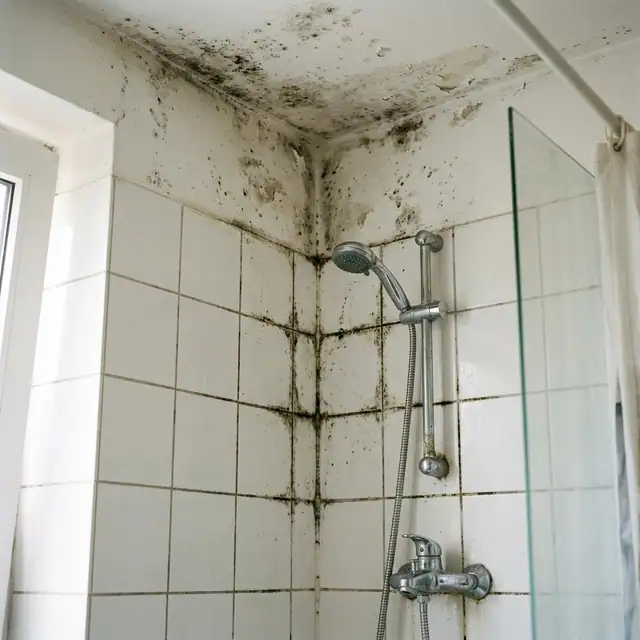
After years of inspecting and remediating mold in Boston and the surrounding area, I have seen the same pattern play out again and again. A homeowner discovers a patch of black mold in the attic or behind a wall, grabs a bottle of bleach from under the sink, and scrubs hard. A few days later, the stain is gone but the smell returns. Within two weeks, the mold is back, sometimes worse than before.
That is not a failure of effort. It is a failure of approach. Surface cleaning does not address the root cause of mold growth, and it often spreads spores deeper into the building. This is precisely why so many people eventually call in mold removal experts. Not because they lack motivation, but because they realize that mold is a structural and health issue that demands a systematic solution.
What Sets Professional Remediation Apart
Mold removal experts do not show up with a spray bottle and a rag. They arrive with a clear protocol, the right equipment, and a deep understanding of how moisture, air movement, and building materials interact. In Boston, where old homes with crawl spaces and attics are common, the challenges are often complex. A leaky pipe in a crawl space can feed mold for months without anyone noticing. By the time you see it on a wall or smell it in a room, the colony has already taken hold in the wood joists or the drywall.
The first thing a professional team does is assess the extent of the problem. That means looking behind baseboards, inside HVAC systems, and in the attic. They use moisture meters and sometimes thermal imaging to find hidden damp spots. Only then do they plan a containment strategy. Without containment, disturbing mold sends spores into the air, contaminating the whole house. That is where the real danger lies.
Containment and Air Filtration
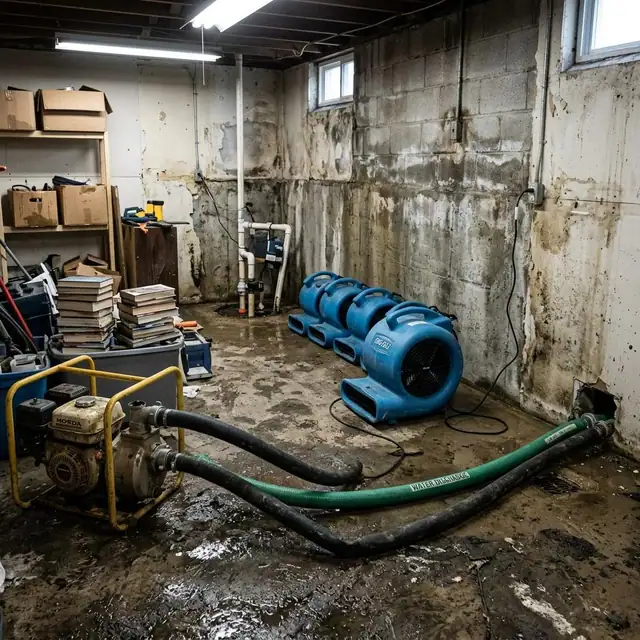
One of the most important steps professionals take is setting up negative air pressure around the work area. They use HEPA vacuums and air scrubbers to capture airborne spores before they can reach other rooms. This is not something a homeowner can do with a shop vac. Standard vacuum cleaners blow spores right back into the air. A true HEPA vacuum traps particles down to 0.3 microns, which covers most mold spores.
Technicians also wear proper PPE, including N95 respirators or full-face masks, gloves, and disposable coveralls. This protects them and prevents cross-contamination. Mold remediation certification programs, such as those offered by the IAQA or the IICRC, train workers on these exact protocols. Certification is not just a piece of paper. It means the person doing the work understands how to contain the problem and protect the building's occupants.
The Problem with Bleach and Common Myths
Many homeowners believe that bleach kills mold. It does, but only on hard, non-porous surfaces. On porous materials like drywall, wood, or insulation, bleach cannot reach the roots. The mold hyphae remain embedded in the material, and the colony regenerates. Worse, bleach is harsh on the lungs and can irritate allergies, especially in enclosed spaces like a crawl space or attic.
Instead, professional mold removal experts often use antimicrobial products like Concrobium or RMR-141. These chemicals are designed to penetrate porous surfaces and leave a residue that resists future growth. Another option is boric acid, which is less toxic and works well on wood. The choice depends on the material and the severity of the infestation. There is no one-size-fits-all fix, and that is another reason why experienced judgment matters.
Drywall, Wood Rot, and HVAC Systems
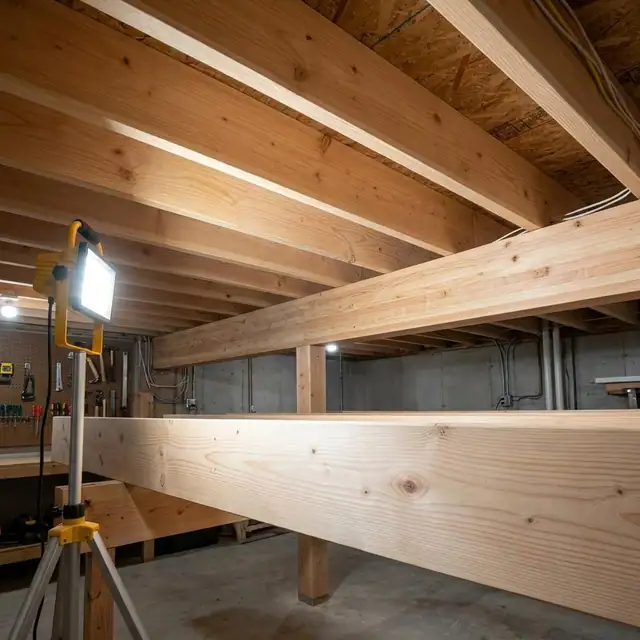
Mold does not just stain surfaces. It can cause structural damage over time. Drywall that has been wet for more than 48 hours often needs to be cut out and replaced. The paper facing on drywall is a perfect food source for mold. Once it starts growing, the material is compromised. Wood rot is another major concern. In crawl spaces and attics, poor ventilation allows moisture to accumulate, and the wood framing begins to decay. Mold removal experts can tell the difference between surface mold and wood that has lost its structural integrity. That distinction can save a homeowner from a much bigger problem down the line.
HVAC systems are another common hidden source. Ductwork can harbor mold that spreads through the whole building every time the heat or AC kicks on. Treating an HVAC system requires careful application of an EPA-registered fungicide and sometimes physical cleaning of the ducts. It is not a DIY job. Improper cleaning can damage the system or leave behind residue that affects indoor air quality.
Why Prevention Matters as Much as Removal
Killing the mold is only half the battle. The other half is controlling the moisture that allowed the mold to grow in the first place. Without that step, the mold will return. That means fixing leaks, improving drainage, and managing indoor humidity. A good remediation team will help you identify the underlying cause, whether it is a slow plumbing leak, a poorly sealed window, or an attic with insufficient ventilation.
One simple and effective tool is a dehumidifier. In a damp basement or crawl space, a properly sized dehumidifier can drop the relative humidity below 60 percent, which is the threshold where most molds cannot grow. In an attic, adding passive vents or a small fan can make a huge difference. These solutions are not complicated, but they require someone who knows where to look and what to recommend.
When to Call the Experts
Not every patch of mold warrants a full-scale remediation. A small spot on a shower wall can be cleaned with a mild detergent. But if the area is larger than about three feet square, if it has recurred after cleaning, if it is linked to a leak or flooding, or if anyone in the home has respiratory allergies or asthma, it is time to call mold removal experts. The same goes if you smell a musty odor but cannot see the source. That smell means spores are airborne and the colony is growing somewhere hidden.
The Cost of Waiting
I have seen homeowners delay remediation because they thought it was too expensive or too disruptive. A few months later, the mold has spread into the next room, the wood rot has deepened, and the cost of repair has doubled. Early intervention is almost always cheaper. Mold removal experts can often isolate the problem and treat it without major demolition, especially if the moisture source is caught quickly.
In Boston, where the climate is humid in summer and cold in winter, condensation inside walls is common. Attics and crawl spaces are particularly vulnerable because they are often the last places people check. A small roof leak can go unnoticed for months while mold grows inside the attic insulation and down into the ceiling below. By the time the water stain appears on the ceiling, the mold has already traveled through the drywall.
What to Look for in a Remediation Company
When you are ready to hire professionals, look for a company that follows recognized standards. Certification from the IICRC or IAQA is a good sign. Ask about their containment procedures and what chemicals they use. A reputable team will walk you through the plan before starting and will explain whether any materials need to be removed and replaced. They should also address the moisture source, not just the visible mold.
One thing I always tell homeowners is to be wary of anyone who promises a quick fix or uses a lot of bleach. Real remediation is methodical. It may take a few days and involve some disruption, but the result is a home that is safe and dry for years. That peace of mind is worth the investment.
Mold is a persistent problem, but it is a solvable one. The key is to treat it with the seriousness it deserves and to work with people who know what they are doing. Whether you are dealing with a small crawl space issue or a full attic remediation, the right approach makes all the difference. And that starts with understanding that mold removal experts bring more than just chemicals and tools. They bring experience, training, and a process that works.